gallerys ()

Can Prescription Pills Turn Into Addiction? Here’s What Real Treatment Looks Like – What You Should Know

TL;DR

  • Prescription drug addiction often begins with legitimate medical use but can escalate into physical dependence that requires professional intervention.
  • Recovery requires a structured, medical approach starting with safe detox, followed by evidence-based therapy that addresses the root causes of addiction.
  • This article is for young adults and families in the Austin area navigating prescription drug concerns.

Mallard Lake Detox Center offers evidence-based care near Austin that combines medical support, therapeutic intervention, and compassionate guidance for lasting recovery.

Table of Contents

How Does Prescription Drug Addiction Start?

Prescription drug addiction rarely announces itself. Unlike substances purchased illegally, prescription medications come with a doctor’s approval, which creates a false sense of safety. The reality is more complex.

The path often follows a predictable, slippery slope:

1

Legitimate Need

A prescription is provided for a real medical issue, such as post-surgical pain, panic attacks, or focus difficulties.

2

Increased Tolerance

The body adapts. The original dose no longer provides the same relief or effect.

3

Self-Medication

The individual, without consulting their doctor, begins to take more or use the medication more frequently to recapture the initial effect or to cope with underlying stress, anxiety, or untreated mental health conditions.

4

Dependence and Addiction

The brain now relies on the substance to function "normally." Stopping causes intense cravings and withdrawal, while obtaining and using the drug becomes a central focus.

What Does Prescription Drug Addiction Look Like Today?

Prescription drug addiction often doesn’t match the stereotypes people imagine. Many individuals struggling with misuse are employed, in school, or supporting families. These are sometimes called “high-functioning” addictions—but the risks are still serious.

Today, prescription drug addiction often includes:

  • Taking higher doses than prescribed
  • Using medication longer than intended
  • Borrowing prescriptions from friends or family
  • Mixing prescriptions with alcohol or other drugs
  • Feeling unable to function without medication

According to the National Institute on Drug Abuse (NIDA), young adults aged 18 to 25 misuse prescription drugs at higher rates than any other age group. The transition from use to addiction happens gradually, which makes it difficult to identify the moment when you’ve crossed the line.

Which Prescription Drugs Are Most Commonly Misused?

Three categories of prescription medications account for most addiction cases in the United States. This is because certain prescription medications carry a higher risk of dependence, especially when taken long-term or outside medical guidance. 

Commonly misused prescription drugs include:

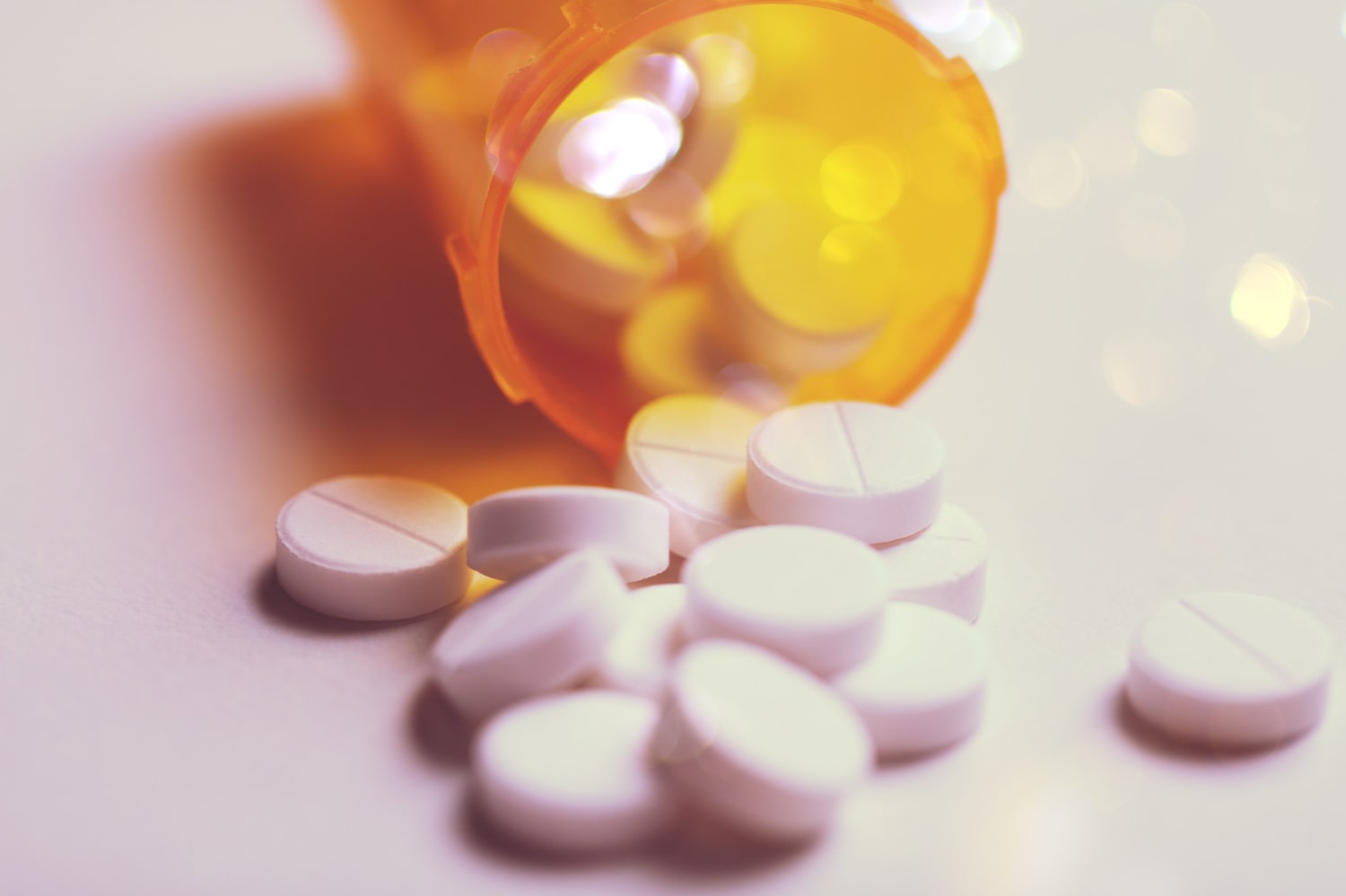
prescription bottle with backlit lorezapam tablets min

Opioids (OxyContin, Vicodin, Percocet)

Often prescribed for pain, opioids can rapidly lead to tolerance, dependence, and withdrawal symptoms.
images ()

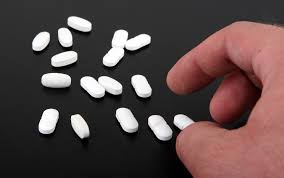
Benzodiazepines (Xanax, Valium, Ativan)

Used for anxiety or sleep disorders, these medications slow the nervous system and can be dangerous to stop without medical supervision.
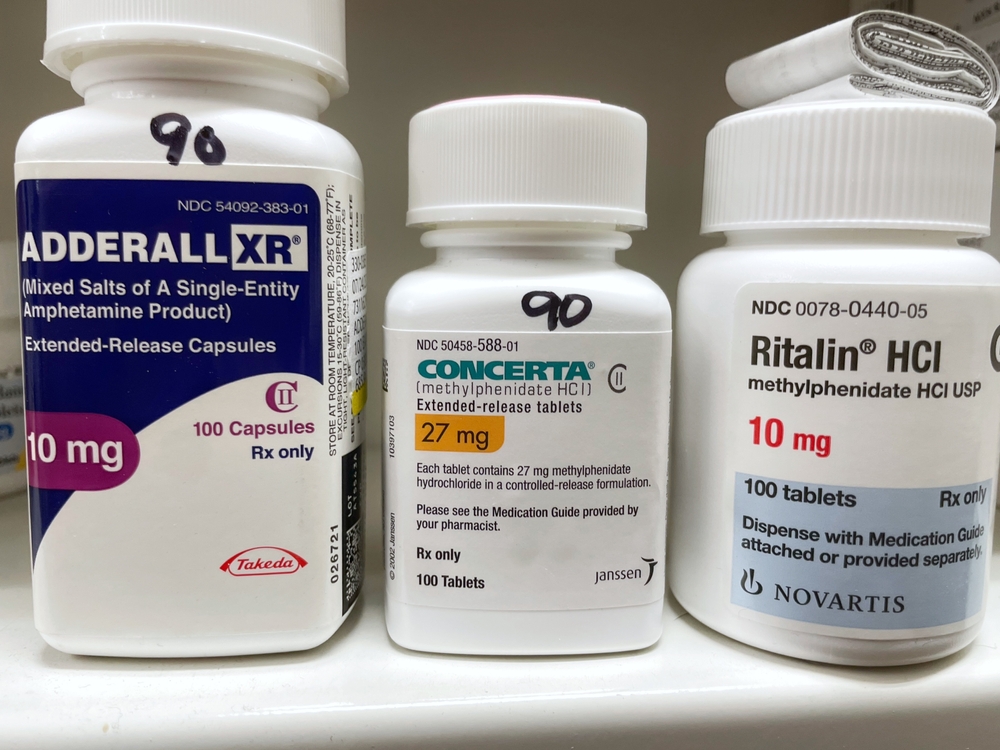
Ritalin and Adderall

Stimulants (Adderall, Ritalin)

Commonly prescribed for ADHD, stimulants are frequently misused for productivity, weight loss, or academic performance.
Even when taken as prescribed, these drugs can alter brain chemistry over time, making professional drug rehab near Austin an essential option for many.

How Do You Know It’s Time to Seek Professional Help for Prescription Drug Addiction?

It can be hard to know when occasional misuse has crossed into addiction. Some signs that professional addiction treatment near Austin may be needed include:

  • “Doctor Shopping” or frequent requests for early refills.
  • Taking medication in ways not prescribed (e.g., crushing and snorting pills).
  • Experiencing withdrawal symptoms (anxiety, nausea, sweating, insomnia) when you try to stop.
  • Neglecting hobbies, relationships, or responsibilities due to drug use.
  • Continued use despite negative consequences to health, work, or family.
  • Spending significant time thinking about, obtaining, or recovering from using the drug.

The presence of any of these signs doesn’t mean you’re a bad person or that you’ve failed. It means your brain has adapted to the presence of these substances, and you need medical support to safely restore normal function. Addiction treatment near Austin provides the structured support necessary for successful recovery.

Why Is Medical Detox So Important Before Rehab?

Medical detoxification serves as the foundation of prescription drug addiction treatment. While detox alone cannot cure addiction, it provides essential stabilization that makes comprehensive treatment possible.

Here’s what makes medical detox a non-negotiable first step in addiction recovery:

  • Safety During Withdrawal: Attempting to stop prescription drugs without medical supervision can be dangerous, particularly with opioids and benzodiazepines
  • Medical Monitoring and Support: During medical detox, healthcare professionals monitor your vital signs around the clock.
  • Individualized Detox Planning: At detox centers near Austin, medical teams create individualized detox plans to address your unique recovery needs rather than applying a one-size-fits-all protocol.
  • Increased Success Rates: This medical support makes the detox process safer and more comfortable, increasing the likelihood that you’ll complete it successfully. Completing medical detox prepares your mind and body for the therapeutic work ahead.

How Does a Local Austin-Area Treatment Program Enhance Recovery?

Choosing a treatment center near Austin, TX, offers tangible benefits for your recovery journey:

  • Proximity to Support: Remaining close to home allows for easier family involvement in therapy sessions when appropriate, strengthening your support system.
  • Continuity of Care: Transitioning from detox to a local outpatient program or aftercare is smoother, preventing disruptive gaps in treatment.
  • Relevance: Treatment can incorporate coping strategies and relapse prevention plans tailored to the specific environments and triggers of Central Texas life.

Finding effective drug rehab near Austin means finding a program that integrates you back into your life with new skills, not just isolating you from it.

What Does Evidence-Based Prescription Drug Addiction Treatment Actually Involve?

True recovery addresses the why behind the addiction. After detox, evidence-based therapies are crucial. 

At Mallard Lake, evidence-based addiction treatment typically includes:

image

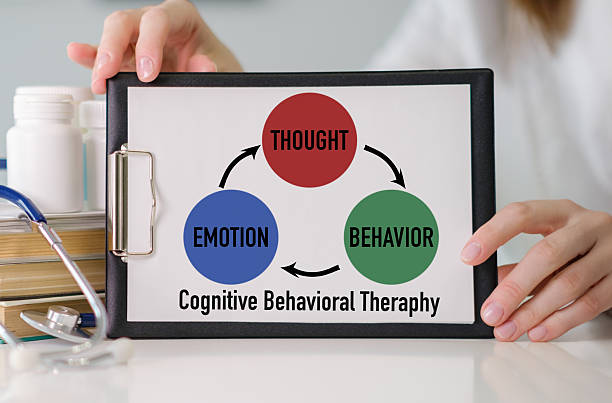
Cognitive Behavioral Therapy (CBT)

Helps identify and change the negative thought patterns and behaviors that fuel addiction.
image

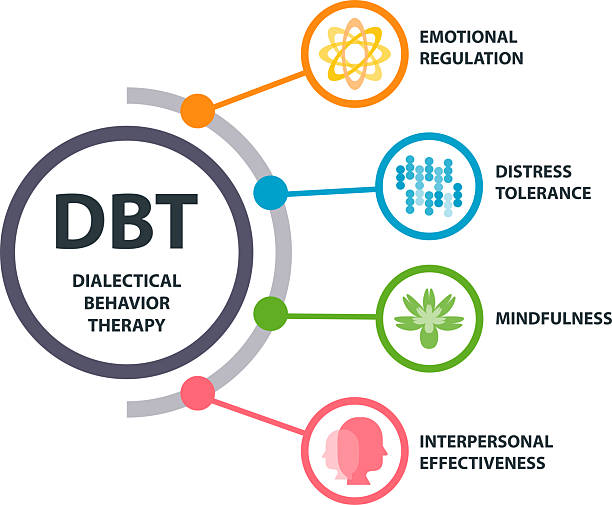
Dialectical Behavior Therapy (DBT)

Focuses on building skills in mindfulness, distress tolerance, emotion regulation, and interpersonal effectiveness.
image

Dual Diagnosis Treatment

Many individuals use prescription drugs to self-medicate underlying issues like anxiety, depression, or trauma. Treating both the addiction and the co-occurring mental health disorder simultaneously is critical for lasting recovery.

image

Individual and Group Counseling

Provides a safe space for personal exploration and the powerful realization that you are not alone in your struggle.

According to the National Institute on Drug Abuse (NIDA), individuals who remain in treatment for at least three months experience better outcomes and lower relapse rates.

Mallard Lake Detox Center helps clients transition smoothly into the next phase of care, whether that’s residential rehab, outpatient treatment, or specialized programs like drug rehab near Austin.

Does Location and Environment Really Affect Recovery?

Yes—environment matters more than many people realize.

A calm, structured setting:

  • Reduces exposure to triggers
  • Improves emotional regulation
  • Encourages focus on healing
  • Supports mental clarity during detox

Being near, but not immersed in, Austin’s daily stressors allows individuals to step back, reset, and prepare for sustainable recovery.

Frequently Asked Questions (FAQs): Prescription Drug Addiction Treatment Near Austin

How long does prescription drug detox take?

Detox usually lasts 5–10 days, depending on the drug, dosage, and individual health factors.

Is detox enough to overcome addiction?

No. Detox stabilizes the body, but ongoing therapy and support are critical for long-term recovery.

Can I get help near Austin without traveling far?

Yes. Mallard Lake Detox Center provides care near Austin while offering a supportive, structured environment.

What happens after detox?

Most individuals transition into residential rehab, outpatient treatment, or therapy-based programs.

Is addiction treatment confidential?

Yes. Addiction treatment is protected by strict privacy laws, including HIPAA.

How do I know if someone needs professional help?

If stopping use causes withdrawal symptoms, cravings, or health risks, professional help is strongly recommended.

Do alcohol and drug rehab centers treat mental health issues, too?

Many provide dual diagnosis support or coordinate care for anxiety, depression, and trauma.

Taking the First Step Toward Healing

Ready to take that step?

Reach out to Mallard Lake Detox Center today for a confidential conversation about your path to recovery near Austin.

Scroll to Top

Request a call

Contact Us